HTML (Hyper-Text Markup Language)
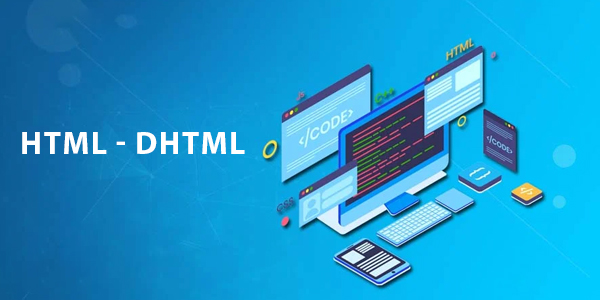
HTML (HyperText Markup Language) is the standard for structuring and presenting content on the web. It enables the creation of flexible, attractive, and user-friendly websites by organizing page content, while CSS is used for styling. HTML allows for the embedding of text, images, audio, and video, as well as the creation of interactive forms.
The HTML5 standard introduces several powerful new features that enhance web development:
- Semantic Elements: New tags like
<article>, <section>, <header>, and <footer> provide more meaningful structure to web content, which improves both accessibility and search engine optimization (SEO).
- Multimedia Support: Native
<audio> and <video> tags allow for easy embedding of media without needing third-party plugins like Flash. This leads to faster page loading and a better user experience.
- Enhanced Forms: New input types (e.g., date, email, number) and built-in form validation simplify the process of creating user-friendly forms.
- Offline Capabilities: Features like Application Cache and Web Storage (localStorage and sessionStorage) allow web applications to work offline by storing data on the user's device.
- Dynamic Graphics: The
<canvas> element enables developers to draw graphics, create animations, and build games directly in the browser using JavaScript.
- Mobile Optimization: HTML5 is designed for mobile-first development, with better support for touchscreens, responsive design, and geolocation, ensuring a seamless experience across all devices.
By offering these features, HTML5 allows developers to create rich internet applications with improved performance, accessibility, and interactivity, often without relying on external APIs or browser plugins.